Formation and Early Years
801 Naval Air Squadron was formed on 3 April 1933 when No. 401 Flight was promoted to squadron status as part of the Fleet Air Arm under the Royal Air Force. Initially equipped with Fairey Flycatchers and Hawker Nimrods, the squadron operated aboard HMS Hermes. In 1934, the Flycatchers were replaced by Hawker Ospreys, and the Nimrods were retired by 1936. Just before the outbreak of the Second World War, in 1939, 801 NAS re-equipped with Blackburn Skuas and Gloster Gladiators and was transferred to Admiralty control.
Second World War
In January 1940, based at RNAS Donibristle, 801 NAS played a key role in early war operations over Norway flying Blackburn Skuas from HMS Ark Royal. Later that year, the squadron embarked on HMS Furious for strikes against northern Norwegian targets. During a raid on Trondheim in September 1940, Sub Lieutenant Bernard Wigginton and his gunner, Leading Aircraftman Kenneth King, crash-landed in neutral Sweden after losing contact with their carrier.
In August 1941, the squadron re-equipped with Sea Hurricanes at RNAS Yeovilton and deployed to the Mediterranean aboard HMS Argus and HMS Eagle. During this period, 801 NAS claimed thirteen enemy aircraft, although it also suffered losses including Hurricanes and Fairey Fulmars, some to friendly fire.
By 1943, 801 NAS was part of the 8th Carrier Air Group along with 828, 880, and 1771 Naval Air Squadrons, operating from HMS Implacable.
Korean War
In March 1951, 801 NAS transitioned to flying Hawker Sea Furys, operating from HMS Glory during the Korean War. The Sea Fury, capable of carrying bombs, rockets, and drop tanks, was primarily used in ground-attack roles but also engaged enemy MiG-15 fighters in the air. HMS Glory served two deployments in Korean waters between April 1951 and July 1953, with 801 NAS active throughout the latter period. The squadron faced significant risks and suffered seven casualties during these operations.
Cold War and Beyond
On 18 March 1962, 801 NAS was reformed at RAF Lossiemouth, adopting the Buccaneer strike aircraft. Later that year, the squadron embarked aboard HMS Victorious for a Far East deployment. In 1967, the squadron was awarded the prestigious Boyd Trophy in recognition of its role in bringing the Buccaneer into operational service.
In 1968, 801 NAS transferred to HMS Hermes and continued operations in the Far East and Mediterranean before disbanding at Lossiemouth in July 1970.
The Sea Harrier Era and the Falklands War
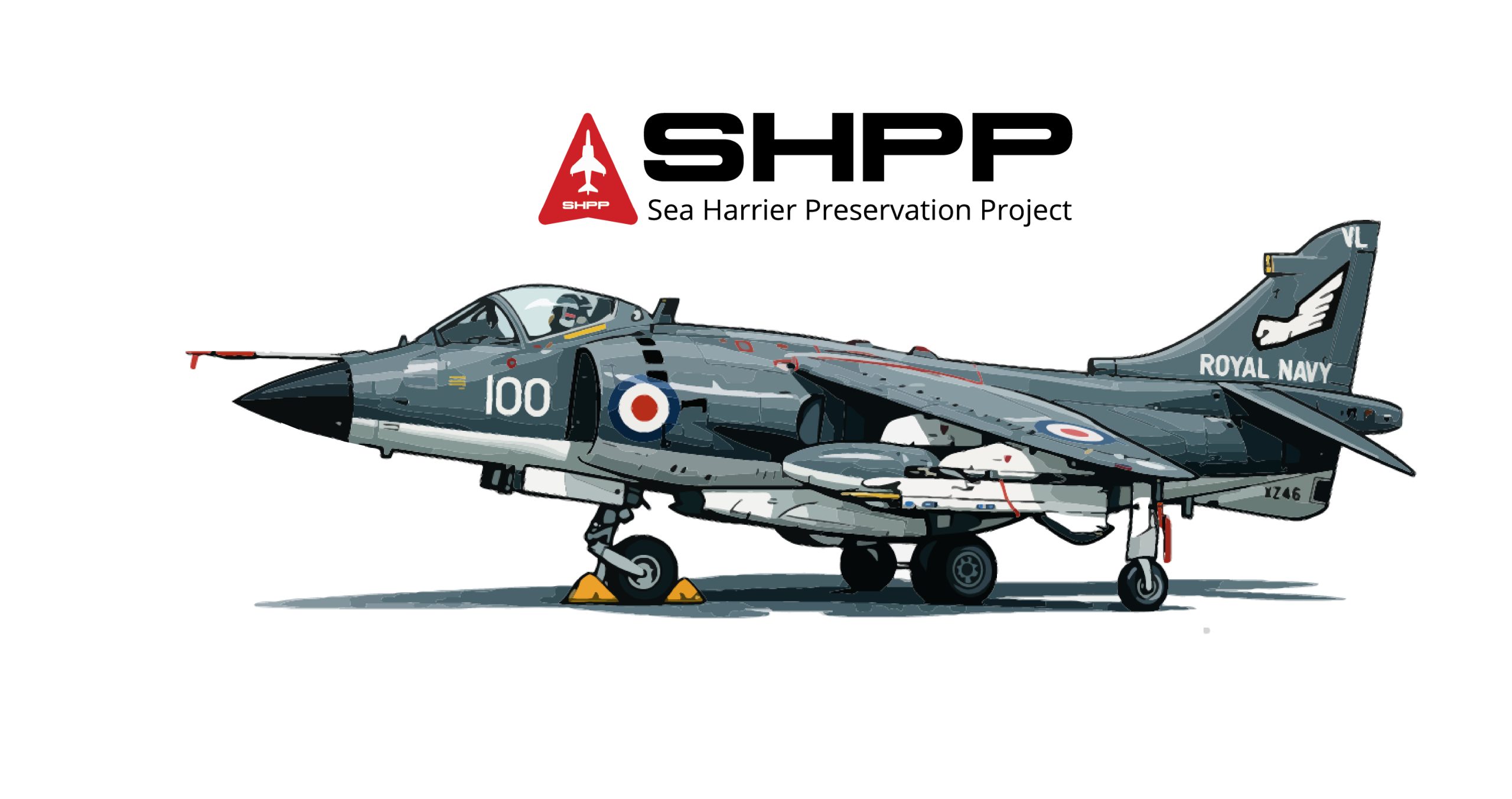
In January 1981, the squadron re-equipped with the Sea Harrier FRS.1 at RNAS Yeovilton. During the 1982 Falklands War, 801 NAS operated from HMS Invincible under Commander Nigel “Sharkey” Ward. The squadron was reinforced by five pilots from 899 NAS.
Throughout the conflict, 801 NAS was highly effective in air combat, credited with shooting down eight Argentine aircraft. The squadron carried out a series of successful engagements using Sidewinder missiles and cannon fire, disrupting enemy air operations and contributing significantly to air superiority around the Falklands.
Later Years and Disbandment
After the Falklands War, 801 NAS continued operating Sea Harriers until March 2006, when a formal ceremony marked the withdrawal of the Sea Harrier FA2 from Royal Navy service. The squadron disbanded on 31 March 2006, with its aircraft proudly displaying the omega symbol to mark the end of an era as the last British fixed-wing fighter operated by the Fleet Air Arm.
Although planned to recommission in 2007 to operate the Harrier GR7 and GR9 from RAF Cottesmore, manpower shortages led to the formation of the Naval Strike Wing instead, and 801 NAS’s legacy merged with its sister squadron, 800 NAS.